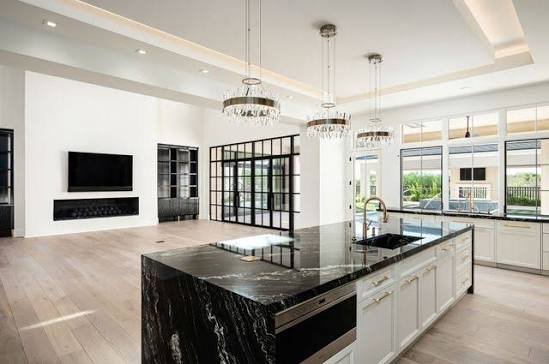
Architects and designers make material decisions that influence the appearance, performance, and longevity of every project. Choosing the right countertop materials for architects and designers requires balancing aesthetics, durability, maintenance, sustainability, and budget while meeting the functional needs of each space.
Hyundai L&C offers surface solutions that support these priorities across residential, healthcare, hospitality, and commercial interiors. Understanding how different countertop materials perform helps design professionals create spaces that deliver lasting value long after installation.
Why Material Selection Matters in Modern Design
Countertops are among the most frequently used surfaces in any interior. They must withstand daily wear while supporting the overall design vision.
Today’s projects demand materials that offer:
- Long-term durability
- Consistent visual appeal
- Low maintenance requirements
- Hygienic surfaces
- Design flexibility
- Reliable product quality
Architects and designers also need products that simplify specification, maintain consistency across multiple installations, and satisfy client expectations for performance and aesthetics.
Material selection is no longer based solely on appearance. It is about finding solutions that support the complete lifecycle of a project.
Understanding Countertop Materials for Architects and Designers
Different materials serve different purposes. Understanding their strengths allows professionals to recommend the most appropriate solution for each application.
Common countertop materials include:
- Quartz surfaces
- Natural stone
- Solid surface materials
- Porcelain
- Concrete
- Stainless steel
- Wood surfaces
- Laminate
Each material offers unique advantages depending on project goals, traffic levels, maintenance expectations, and design intent.
Quartz Surfaces Continue to Lead Commercial and Residential Projects
Quartz has become one of the most specified countertop materials across many industries because it combines visual consistency with dependable performance.
Engineered quartz offers several practical advantages:
- Excellent stain resistance
- Scratch-resistant surface
- Low maintenance
- Wide range of colors and patterns
- Consistent slab appearance
- No routine sealing required
These qualities make quartz suitable for kitchens, bathrooms, office spaces, hospitality projects, healthcare facilities, and multifamily developments.
For architects working on large-scale installations, consistency between slabs is often a significant advantage over many natural materials.
Solid Surface Materials Offer Design Flexibility
Solid surface materials remain popular for projects requiring seamless installations and custom fabrication.
Key benefits include:
- Integrated sinks
- Seamless joints
- Repairable surfaces
- Smooth appearance
- Flexible fabrication options
Healthcare environments, educational facilities, laboratories, and commercial interiors frequently specify solid surface materials because they allow continuous surfaces that are easy to maintain.
Designers often appreciate the freedom to create custom shapes, curved features, and integrated details that may be difficult with other materials.
Natural Stone Creates Unique Visual Character
Natural stone continues to appeal to clients seeking one-of-a-kind aesthetics.
Popular options include:
- Granite
- Marble
- Quartzite
- Soapstone
Because each slab is naturally formed, every installation has unique veining and color variation.
However, natural stone generally requires more maintenance than engineered materials. Some stones require periodic sealing and may be more susceptible to staining or etching depending on the material selected.
Understanding these maintenance considerations helps architects set realistic expectations for clients.
Matching Materials to Project Requirements
Successful specifications begin with understanding how a space will be used.
Important questions include:
- How much daily traffic will the surface experience?
- Will food preparation occur?
- Is stain resistance important?
- Does the project require seamless fabrication?
- Are hygiene requirements a priority?
- What maintenance level is acceptable?
- Does the client prefer natural variation or visual consistency?
Answering these questions allows designers to narrow material choices based on actual performance rather than appearance alone.
Aesthetic Versatility Supports Creative Design
Modern countertop materials offer far greater design flexibility than in previous decades.
Architects can specify finishes that resemble:
- Marble
- Concrete
- Limestone
- Granite
- Industrial textures
- Contemporary minimalism
- Warm natural tones
Large-format slabs also allow expansive islands, waterfall edges, feature walls, and coordinated vertical applications that create cohesive interior environments.
This flexibility enables designers to achieve premium aesthetics while meeting practical performance requirements.
Durability Should Always Be Part of the Specification
Beautiful surfaces lose value if they cannot withstand everyday use.
Architects should evaluate:
- Scratch resistance
- Heat tolerance
- Impact resistance
- Moisture resistance
- Chemical resistance
- Stain resistance
- Long-term appearance
Considering these factors during specification reduces maintenance concerns and helps extend the useful life of installed surfaces.
Projects with heavy daily use benefit from materials engineered specifically for long-term durability.
Sustainability Is Becoming a Standard Consideration
Environmental responsibility continues to influence material selection across the design industry.
Many projects now evaluate products based on factors such as:
- Responsible manufacturing
- Indoor air quality
- Low-emission materials
- Long product lifespan
- Reduced replacement frequency
- Resource efficiency
Choosing durable materials can also contribute to sustainability by reducing the need for premature replacement over the life of a building.
Architects increasingly seek products supported by transparent environmental documentation and manufacturing practices.
Specification Consistency Improves Project Outcomes
Large commercial developments often require hundreds of matching surfaces.
Consistent manufacturing provides several advantages:
- Uniform color
- Reliable pattern distribution
- Predictable installation
- Easier replacement if needed
- Coordinated multi-phase projects
Consistency reduces surprises during installation while helping maintain the original design intent throughout an entire project.
This becomes particularly valuable for hospitality brands, healthcare systems, educational campuses, and multifamily developments where repeatability matters.
Maintenance Expectations Influence Long-Term Satisfaction
Clients appreciate surfaces that remain attractive without extensive upkeep.
When evaluating countertop materials for architects and designers, maintenance requirements deserve careful consideration.
Low-maintenance surfaces can reduce:
- Routine sealing
- Specialized cleaning
- Long-term maintenance costs
- Downtime for repairs
Clear communication about proper care also helps preserve the appearance of installed surfaces for years.
Matching maintenance expectations with client lifestyles or operational needs leads to higher long-term satisfaction.
Collaboration Between Designers and Manufacturers
Successful projects often begin long before fabrication starts.
Working closely with manufacturers allows architects and designers to:
- Review available collections
- Understand fabrication capabilities
- Evaluate slab dimensions
- Confirm technical specifications
- Coordinate lead times
- Select suitable finishes
Early collaboration can reduce specification changes later in the project while supporting smoother construction schedules.
Manufacturers that provide technical resources, sample programs, and specification support help design professionals make more informed decisions.
Future Trends Influencing Material Selection
Interior design continues to evolve alongside changing client preferences and building technologies.
Several trends are shaping countertop specifications:
- Larger seamless installations
- Nature-inspired patterns
- Warm neutral palettes
- Mixed-material interiors
- Sustainable product selection
- Multifunctional workspaces
- Wellness-focused environments
- Durable, low-maintenance finishes
Architects increasingly seek materials that combine timeless aesthetics with dependable performance rather than following short-lived design trends.
This approach creates interiors that remain visually appealing and functional over many years.
Practical Tips for Selecting the Right Surface
When evaluating countertop options, consider the following checklist:
- Define the intended application.
- Identify durability requirements.
- Review maintenance expectations.
- Consider sustainability objectives.
- Evaluate fabrication flexibility.
- Compare long-term value rather than initial cost.
- Request physical samples whenever possible.
- Review manufacturer technical documentation before specification.
This process helps ensure that the selected material aligns with both project goals and client expectations.
Final Thoughts
Selecting the right countertop materials for architects and designers involves more than choosing an attractive finish. Every project benefits from balancing design vision with durability, maintenance, fabrication possibilities, and long-term performance.
By carefully evaluating material characteristics and partnering with trusted manufacturers such as Hyundai L&C, architects and designers can specify surfaces that support both creative expression and everyday functionality. Thoughtful material selection helps create interiors that remain beautiful, practical, and dependable across residential, commercial, healthcare, hospitality, and institutional environments for years to come.