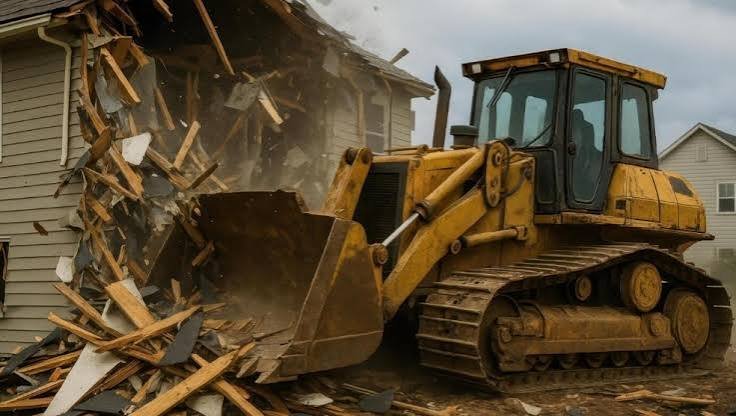
Property improvements often begin with removing what is no longer needed. Whether preparing for a renovation, clearing damaged structures, or opening space for a new project, light demolition services Arizona provide a practical and efficient way to handle small-scale demolition work. Unlike full structural demolition, light demolition focuses on removing targeted features while protecting the surrounding property.
For homeowners, business owners, and property managers, understanding how light demolition works can help reduce project delays, improve safety, and simplify the renovation process. Junk Rescue AZ provides professional light demolition services to prepare properties for remodeling while ensuring debris is removed responsibly. Choosing the right approach also helps ensure materials are handled carefully from removal through disposal.
What Are Light Demolition Services?
Light demolition involves removing non-structural elements from residential or commercial properties. The goal is to prepare a space for remodeling, repairs, or redevelopment without affecting the building’s structural integrity.
Common light demolition projects include:
- Interior wall removal (non-load-bearing)
- Cabinet and countertop removal
- Shed demolition
- Fence removal
- Deck demolition
- Hot tub removal
- Flooring removal
- Bathroom and kitchen tear-outs
- Concrete patio removal
- Small garage or outbuilding demolition
Because these projects often require specialized tools and proper disposal methods, many property owners rely on experienced professionals to complete the work safely and efficiently.
Why Professional Light Demolition Matters
Many small demolition projects appear simple at first glance. However, hidden utilities, heavy materials, and unexpected structural concerns can quickly complicate the process.
Professional demolition teams bring several advantages:
Improved Safety
Removing walls, flooring, or outdoor structures without proper planning can create injury risks. Professionals know how to identify hazards before work begins and follow safe demolition procedures.
Property Protection
Careful demolition minimizes unnecessary damage to nearby walls, flooring, landscaping, and surrounding structures.
Faster Project Completion
Experienced crews use specialized equipment that allows demolition to be completed more efficiently than most DIY efforts.
Proper Waste Management
Demolition produces large amounts of debris that require sorting, hauling, and disposal according to local regulations.
Common Residential Demolition Projects
Homeowners often schedule light demolition before remodeling or improving their property.
Popular residential projects include:
Kitchen Demolition
Removing old cabinets, countertops, backsplashes, and flooring creates a clean workspace for renovation contractors.
Bathroom Removal
Old showers, tubs, vanities, tile, and fixtures can be removed without damaging surrounding plumbing or structural components.
Shed Demolition
Older sheds may become unstable due to weather exposure or age. Safe removal clears valuable backyard space while reducing potential hazards.
Deck Removal
Damaged or outdated decks can present safety concerns. Removing deteriorated materials prepares the area for new outdoor living spaces.
Fence Removal
Replacing worn fencing often begins with careful removal of existing posts, panels, and concrete footings.
Commercial Applications for Light Demolition
Commercial properties frequently require selective demolition during renovations or tenant improvements.
Examples include:
- Office interior renovations
- Retail space remodeling
- Restaurant upgrades
- Warehouse cleanup
- Partition wall removal
- Fixture removal
- Flooring replacement
- Equipment removal
Efficient demolition allows businesses to begin construction sooner while minimizing disruptions to ongoing operations.
Preparing for Renovation Success
Light demolition is often the first step toward a successful remodeling project.
Removing outdated materials provides contractors with easier access to:
- Electrical systems
- Plumbing lines
- HVAC components
- Framing
- Flooring substructures
A properly prepared space reduces construction delays and helps contractors identify any hidden issues before new installations begin.
Environmental Benefits of Responsible Demolition
Modern demolition practices increasingly focus on reducing landfill waste through recycling and material recovery.
Many demolition materials can be diverted from disposal facilities, including:
- Wood
- Metal
- Concrete
- Brick
- Asphalt
- Drywall
- Cardboard
- Certain plastics
Recycling usable materials supports resource conservation while lowering the overall environmental impact of renovation projects.
What Happens During a Light Demolition Project?
Although every project differs, most follow a similar process.
1. Site Assessment
The demolition team evaluates the structure, identifies hazards, and determines the safest removal method.
2. Planning
A demolition plan outlines:
- Materials being removed
- Required equipment
- Utility shutoffs
- Safety measures
- Debris removal strategy
3. Controlled Demolition
Workers remove materials systematically to avoid unnecessary damage and maintain a safe work environment.
4. Debris Collection
Materials are separated for recycling whenever possible before being loaded for transportation.
5. Site Cleanup
The area is cleared of debris, leaving the property ready for renovation or construction.
Safety Considerations During Demolition
Demolition work involves more than simply tearing materials apart. Every project should prioritize safety from beginning to end.
Key safety practices include:
- Wearing personal protective equipment
- Controlling dust whenever possible
- Identifying electrical and plumbing lines
- Securing unstable materials
- Using proper lifting techniques
- Keeping work areas organized
- Following local building requirements
Professional crews also understand how to safely manage older construction materials that may require special handling.
When Should Property Owners Schedule Demolition?
Several situations commonly call for light demolition services.
These include:
- Preparing for remodeling
- Removing storm-damaged structures
- Updating outdated interiors
- Eliminating unsafe outdoor features
- Expanding usable living space
- Selling or staging a property
- Removing abandoned backyard structures
- Preparing commercial tenant improvements
Scheduling demolition early helps avoid delays once construction begins.
Signs It Is Time to Remove Old Structures
Property owners sometimes delay demolition longer than they should. Certain warning signs indicate that removal may be the safer and more cost-effective solution.
Watch for:
- Rotting wood
- Rusted metal supports
- Leaning sheds or fences
- Cracked concrete
- Water damage
- Mold growth
- Loose flooring
- Structural instability
- Extensive weather damage
Addressing these issues promptly can prevent further property damage and reduce safety risks.
Choosing the Right Demolition Contractor
Not every demolition provider offers the same level of service. Careful evaluation helps ensure quality results.
Consider the following factors:
Experience
Look for contractors with experience handling residential and commercial demolition projects similar to yours.
Insurance
Proper insurance protects both the property owner and workers throughout the project.
Equipment
Modern equipment improves efficiency while reducing the likelihood of accidental property damage.
Cleanup Services
A complete demolition project should include debris removal and site cleanup rather than leaving waste behind.
Responsible Disposal
Choose companies committed to recycling and environmentally responsible disposal whenever practical.
How Light Demolition Supports Property Value
Removing outdated or damaged structures often improves both appearance and functionality.
Benefits may include:
- Better curb appeal
- Increased usable space
- Improved renovation potential
- Enhanced property safety
- Easier future maintenance
- More attractive living environments
For homeowners preparing to sell, clearing old structures can help create a more appealing first impression for potential buyers.
Avoiding Common Demolition Mistakes
Attempting demolition without proper planning can create unnecessary problems.
Common mistakes include:
- Removing walls without verifying they are non-load-bearing
- Failing to disconnect utilities
- Underestimating debris volume
- Ignoring permit requirements when applicable
- Using improper tools
- Skipping protective equipment
- Damaging surrounding finishes
Working with experienced professionals significantly reduces these risks.
Why Responsible Debris Removal Matters
The demolition process does not end once materials are removed. Efficient debris hauling keeps the project moving while maintaining a clean and organized worksite.
Responsible debris management offers several advantages:
- Safer work environments
- Reduced project delays
- Cleaner properties
- Better recycling opportunities
- Compliance with disposal regulations
Prompt cleanup also prepares the space for contractors to begin the next phase of construction immediately.
Final Thoughts
Whether updating a home, preparing a commercial renovation, or removing aging outdoor structures, light demolition services Arizona provide a safe and efficient solution for clearing unwanted materials. Professional demolition minimizes safety risks, protects surrounding property, and helps projects move forward without unnecessary delays.
By combining careful planning, responsible debris disposal, and experienced workmanship, companies like Junk Rescue AZ help property owners prepare their spaces for successful renovations while keeping the demolition process organized from start to finish.